Organised by the Global Network for Gender Equality in Film and Audiovisual Media and promoted by CIMA, with the support of the Spanish Ministry of Culture, this event brought together renowned filmmakers, researchers, activists and industry leaders from around the world over two days to discuss the most pressing challenges faced by women and gender-diverse people.
Through a series of roundtables and discussions, the programme explored topics such as equality, diversity and inclusion (EDI) policies in film production, strategies to promote more inclusive storytelling, and ways to foster safer working environments.
The event was held online in English, with simultaneous translation in Spanish, and its content is available free of charge on CIMA’s YouTube.
Event Agenda
MAY 6, 2026
5:00 PM
Welcome speech by CIMA
5:10 PM – 6:20 PM
Panel discussion: Who can make films? From policy to practice
How can public policies help transform the film industry? This session brings together voices from Europe, Latin America, and Africa to discuss equality, diversity, and inclusion policies in film production. Which measures are truly making a difference and how can they inspire change in other contexts?
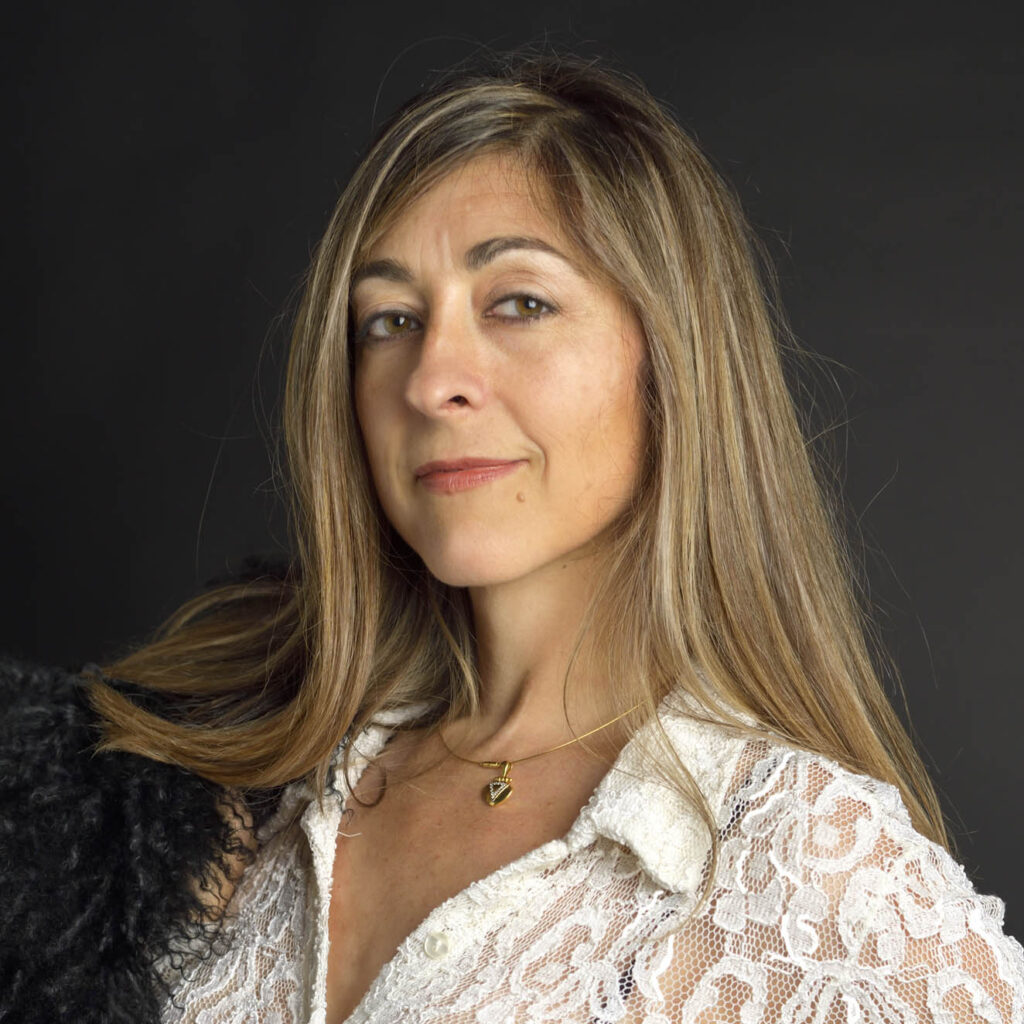
Alexia Muiños (Moderator)
Executive director of EWA (European Women’s European Network) (España)
Show more
Alexia Muiños Ruiz is a filmmaker, gender equality expert, and communication strategist with nearly two decades of experience connecting cinema and social change. Since 2024, she has served as Executive Director of the European Women’s Audiovisual Network (EWA), leading its work to advance gender equality in European cinema. She was instrumental in EWA’s founding in 2013 and co-authored its landmark study on the underrepresentation of women directors, a key reference in European policy and industry debates.
A co-founder of Dones Visuals, she is also a recognized voice in feminist film activism in Spain and internationally.
Alongside her advocacy work, Alexia has developed a multifaceted audiovisual career as a writer, director, producer, educator, and speaker. Founder of Marineda Films, she produced her internationally acclaimed debut feature and continues to work across filmmaking, consultancy, criticism, and training. Her background in science and cinema informs her distinctive, research-driven approach.
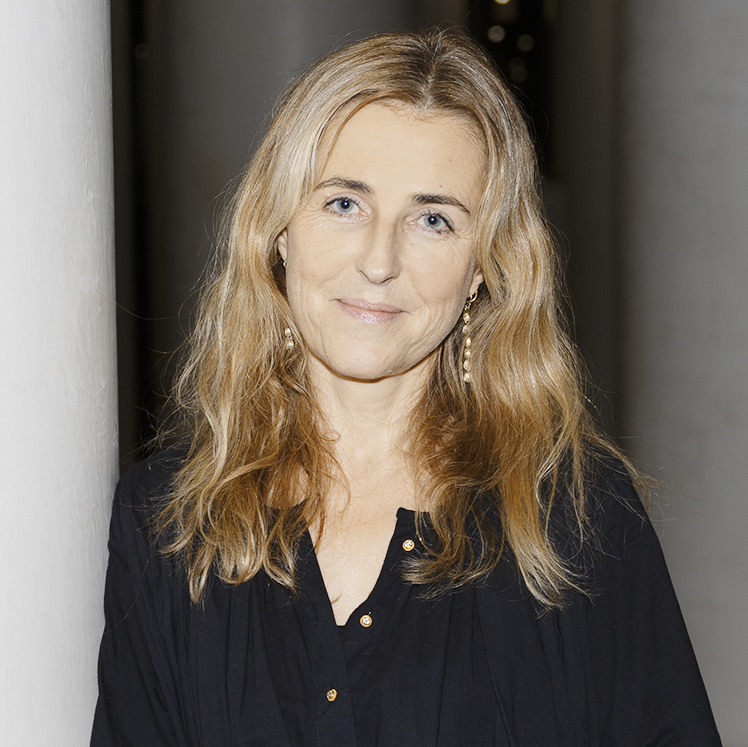
Fabienne Silvestre
Co-founder and director of the Lab Femmes de cinéma (Francia)
Show more
Fabienne Silvestre is a leading figure in European cinema and gender equality advocacy. She is co-founder and director of Lab Femmes de Cinéma and Director of External Relations at the Les Arcs Film Festival, which she also co-founded. Through both initiatives, she works to advance women’s representation in the audiovisual industry and to connect cinema with broader social issues.
Her career spans politics, industry, sustainable development, and nearly two decades in cinema, always guided by a commitment to dialogue, collective intelligence, and social transformation. A certified coach, she brings expertise in facilitation and collaborative processes to her work.
Profundamente influenciada por pensadoras feministas como Simone de Beauvoir y Angela Davis, Fabienne concibe el cine como una fuerza cultural y política capaz de moldear imaginarios, y aboga por un sector cinematográfico europeo más inclusivo, equitativo y comprometido.
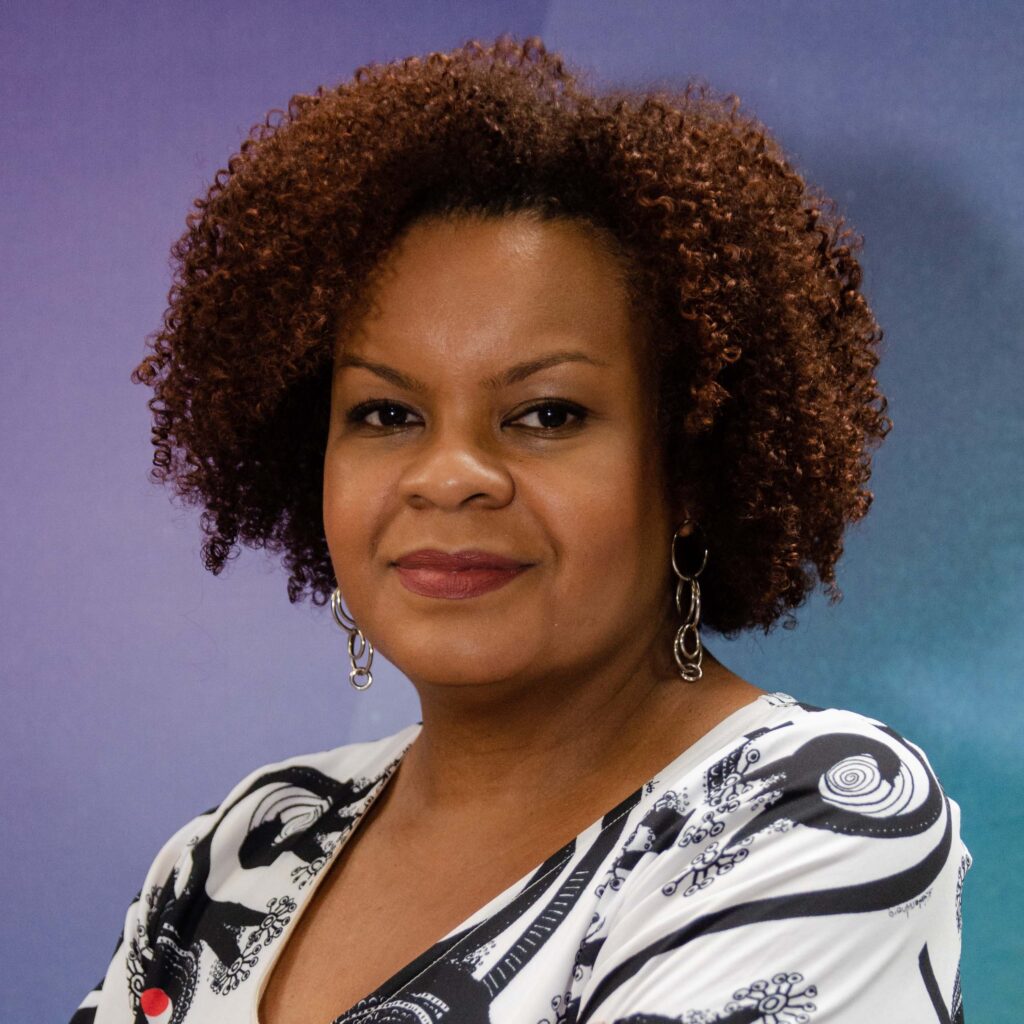
Lyara Oliveira
VP of the Instituto + Mulheres – Women’s Leadership in Brazilian Audiovisual and Founder (Brasil)
Show more
Lyara Oliveira is an audiovisual artist, researcher, and public policy leader with over two decades of experience in film and media. Since 2024, she has served as President of Spcine, after leading its Innovation and Audiovisual Policies department, where she played a key role in shaping São Paulo’s audiovisual ecosystem through innovation, inclusion, and sector development.
At Spcine, she has led transformative initiatives such as the relaunch of Spcine Play, the expansion of the Spcine Circuit of cinemas, and the creation of the Spcine Diversity Network, promoting access, new voices, and stronger connections with games and new media.
Alongside her institutional leadership, Lyara has collaborated with major broadcasters including Rede Globo and Canal Futura, and teaches at leading institutions such as ESPM and FAAP.
She holds a PhD from the University of São Paulo and is committed to a more diverse, innovative, and accessible audiovisual landscape.
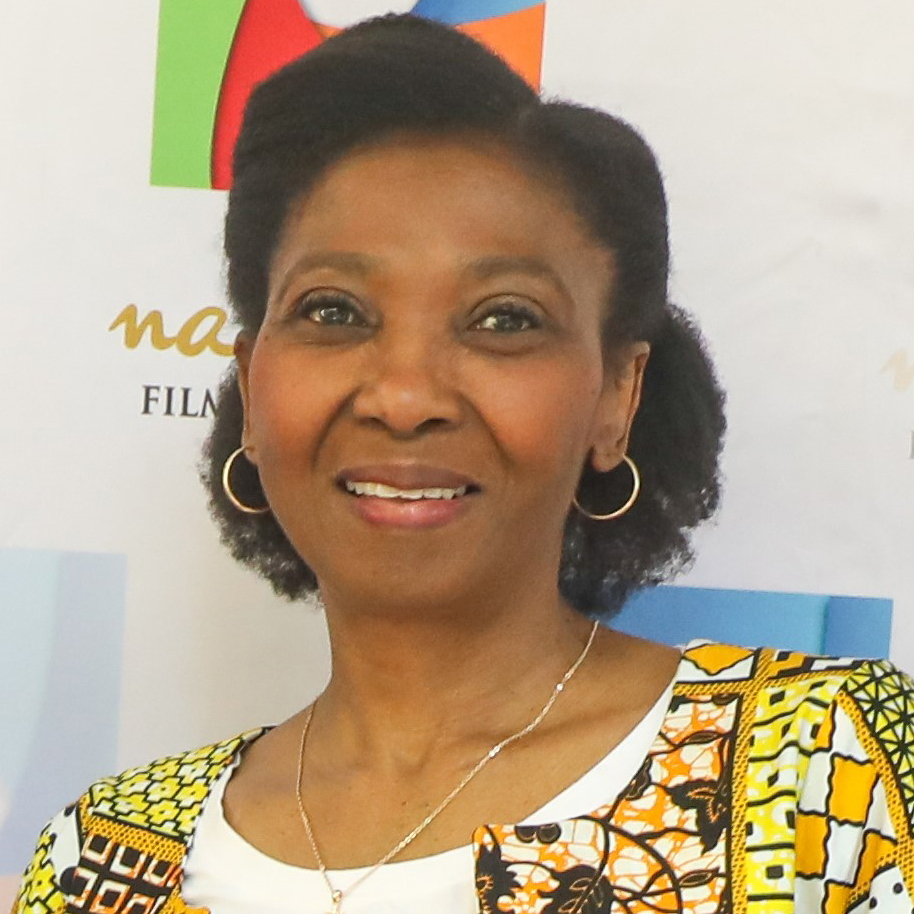
Zanele Mthembu
Acting Executive Officer (AEO) Sisters Working in Film & TV (South Africa)
Show more
Zanele Mthembu is a South African media executive, producer, and strategist with over two decades of experience across broadcasting, film, and television. She is Managing Director of Brown Panther Films and a part-time lecturer at Tshwane University of Technology, committed to developing both original content and emerging talent.
With deep expertise across the full audiovisual value chain, she has held major leadership roles including Group Head of Content at eMedia Group and first Executive Head of Channel at Newzroom Afrika.
A strong advocate for inclusion, she is former Chairperson and current Acting Executive Officer of Sisters Working in Film and Television (SWIFT), advancing opportunities for women in the sector. She also served on the National Film and Video Foundation council.
An international juror and Fellow of the Africa Leadership Initiative and Aspen Global Leadership Network, Zanele combines strategic leadership with a deep commitment to equity and industry transformation.
——– 10-minute break ———-
6:30 PM – 7:50 PM
Panel discussion: Representation matters: challenging stereotypes on screen
Who appears on screen and in what way? This conversation explores how stereotypes related to gender, age, ethnicity, disability, sexuality and class continue to influence audiovisual narratives. Participants will share research, initiatives and creative strategies to promote more inclusive storytelling and transform representation in film and television.
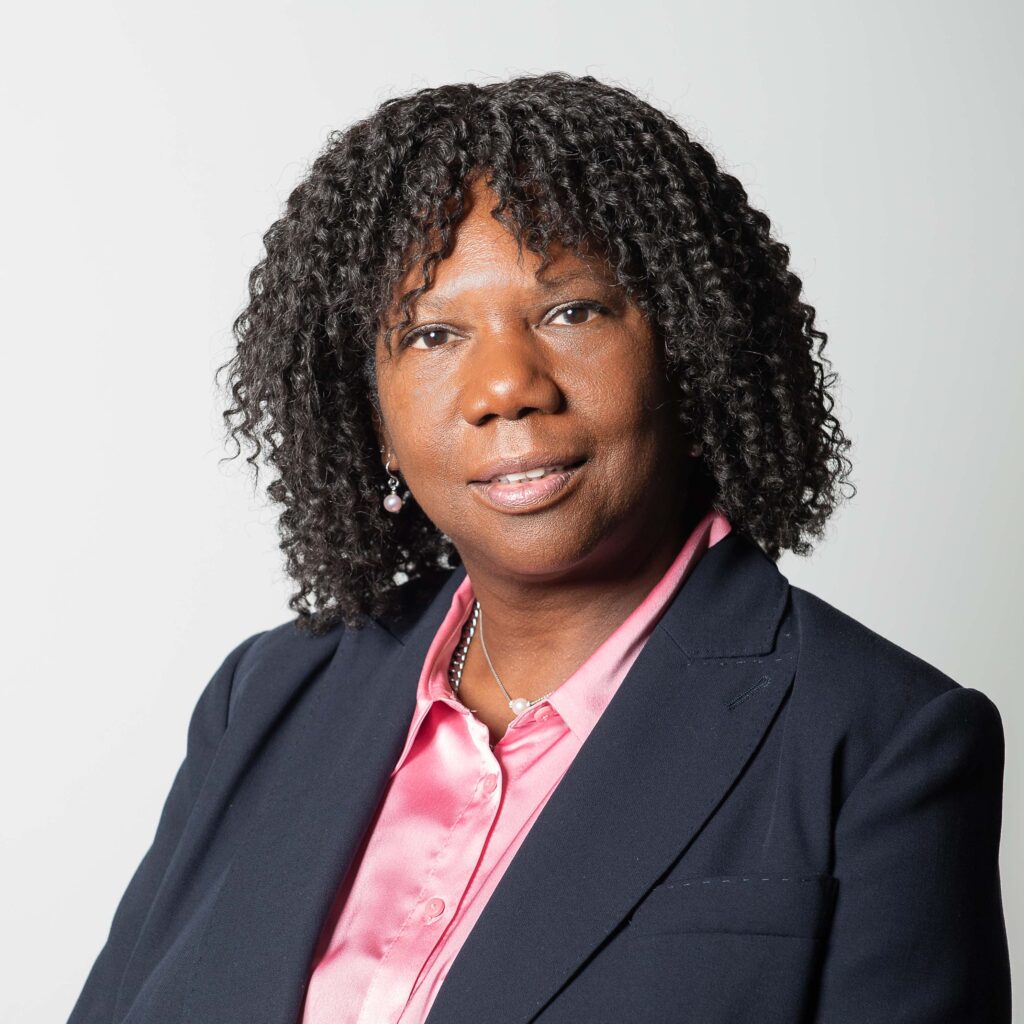
Femi Otitoju (Moderator)
Founder Challenge Training and Consulting (UK)
Show more
Femi Otitoju is a trailblazer, a truth-teller, and one of those rare people who can challenge an entire room while making them laugh with her at the same time. Born in Nigeria and raised in the UK, she came out as a lesbian in the late 1970s and went on to become one of the first openly Black lesbian voices on British television, long before “representation” became a buzzword. Her journey began in activism: she co-founded the UK’s first Black lesbian group, volunteered for over a decade at the London Lesbian and Gay Switchboard, and threw herself into the feminist and LGBTQ+ movements of the 1980s with her characteristic energy and style. In 1988 she founded Challenge Consultancy and has since spent over three decades working at the highest levels of the media and creative industries to drive real change.
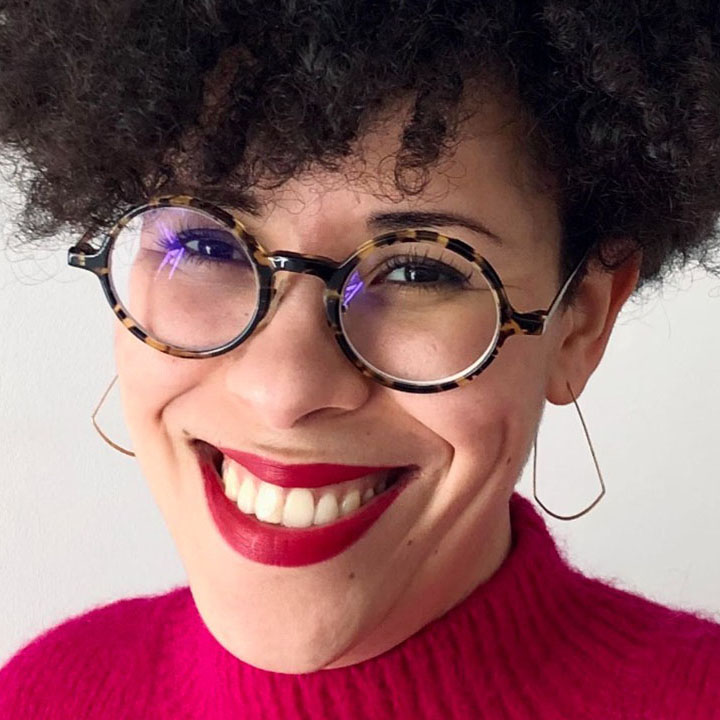
Salima Jirari
Diversity content consultant (Spain)
Show more
Salima Jirari is a content development consultant specializing in diversity representation. She has worked with various production companies and organizations in the sector, advising on representation in projects in development such as Distinto Films, Fasten Films, Nocturna, Edna Cinema, Inicia Films, Sétima and Alba Sotorra, among others.
She participates in several programs and labs promoted by Netflix, DAMA, the Spanish Film Academy, CCCB, Dones Visuals, Proimágenes Colombia, the San Sebastián Film Festival and Coofilm, where she advises participating projects and leads workshops on unconscious bias in the creative process.
She also teaches courses on diversity and gender perspective in audiovisual narrative and has worked with institutions such as Universitat Pompeu Fabra, Universitat Jaume I, Universitat de Barcelona, Universitat de Girona, Blanquerna – Universitat Ramon Llull and ECIB – Escola de Cinema de Barcelona, as well as with the Creative Writing Master’s program at Laboratori de Lletres.
With 15 years of experience in different areas of the industry, she has worked as head of distribution and programming at DocsBarcelona, acquisitions executive at Selecta Visión and head of communications and promotion at the Barcelona Catalunya Film Commission.
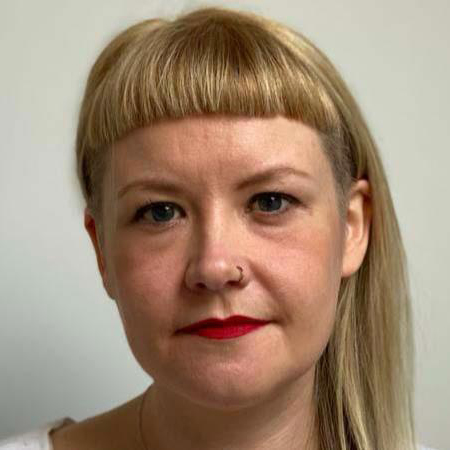
Melanie Iredale
Director of Reclaim the Frame (UK)
Show more
Melanie Iredale is a UK-based talent and audience development strategist, recognized for her leadership in documentary and non-fiction film, as well as her commitment to equity in the film industry. She was Interim Director of Sheffield Doc/Fest in 2018, having previously held the positions of Deputy Director (2014-2021) and Development Consultant (since 2010), where she helped shape its direction, expanding interactive programs and co-programming the Rhyme & Rhythm section.
She currently leads Reclaim The Frame, formerly known as Birds’ Eye View Film Festival, where she champions underrepresented gender voices and creates more inclusive film spaces through screenings, training and advocacy.
Previously, she directed the Berwick Film & Media Arts Festival (2009-2014), where she commissioned innovative audiovisual works that toured internationally and gained recognition at festivals such as the International Film Festival Rotterdam.
She has served on major international juries, including the Teddy Awards at the Berlin International Film Festival, and was executive producer of Rebel Dykes, a documentary connecting queer and activist communities worldwide.
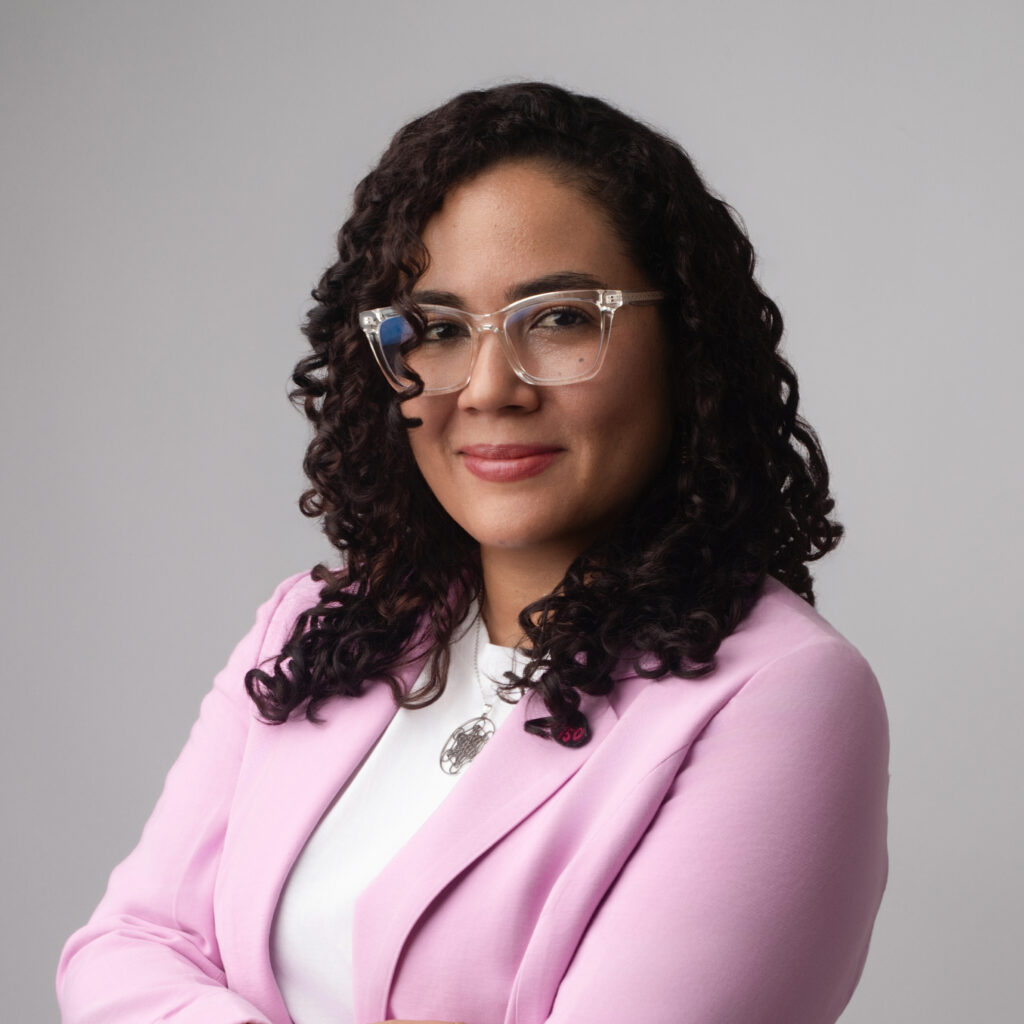
Gerylee Polanco
Feminist filmmaker / director at Killary CineLab (Colombia)
Show more
Gerylee Polanco Uribe is a key figure in the cultural management of contemporary Colombian cinema, with over 22 years of experience in production, education and audiovisual research. She is founder and director of Killary CineLab, a pioneering initiative that promotes women filmmakers through training, research and visibility, and leads innovative studies on gender gaps in Colombian cinema.
She has produced nine Colombian feature films, including El vuelco del cangrejo, La sirga, Los hongos, Siembra, Tormentero and La Marcha del Hambre, contributing to the international visibility of Cali and Colombian cinema. Through her production company OjoAgua Cine, she is currently developing three new film projects.
Her curatorial experience includes five years directing the Cinematheque at Museo La Tertulia, and since 2023 she has been Director of the Cali International Film Festival. She also works at the Cali Secretary of Culture, contributing to audiovisual public policy.
Gerylee is a university professor and production advisor. She has received the “Hero of Progress” (2018) and “Transformative Woman” (2019) awards, and was recognized as Distinguished Alumna by Universidad del Valle.
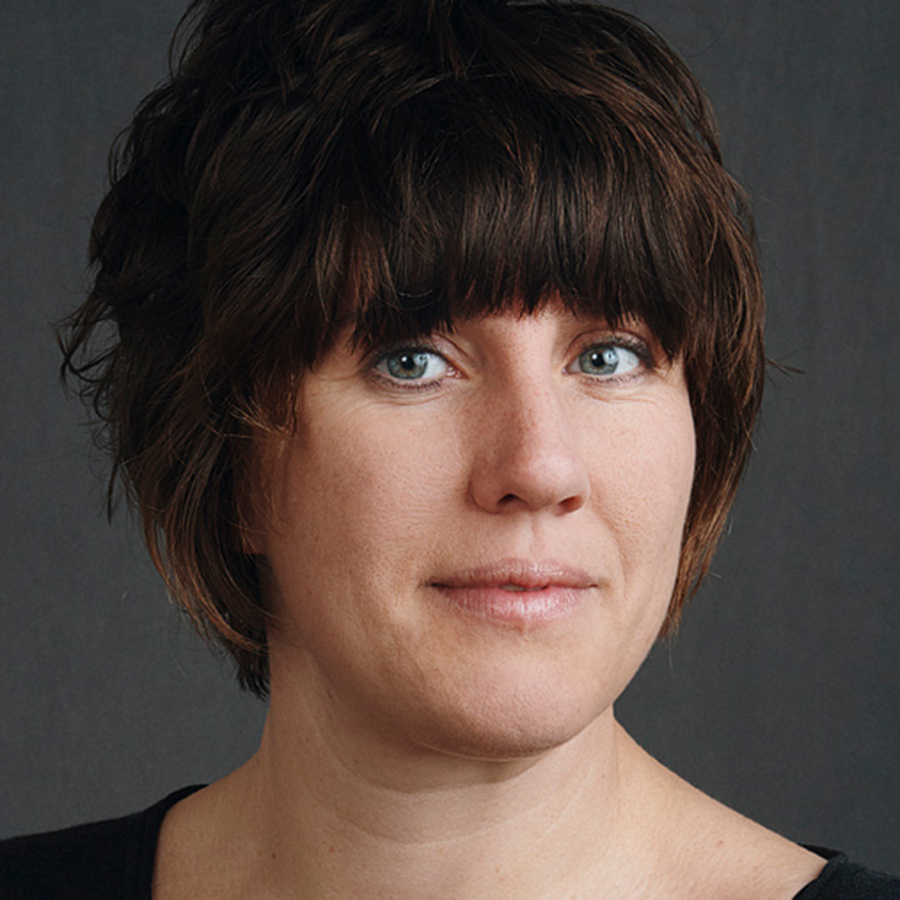
Lee Meyerhoff
Founder of Film Fatales (USA)
Show more
Lee Meyerhoff is the founder of Film Fatales, a pioneering nonprofit organization and global community dedicated to advancing equality in the film industry and supporting filmmakers from marginalized genders through advocacy, artistic development and community building. Through Film Fatales, Lee has become a leading voice in the fight against exclusion and the expansion of representation both in front of and behind the camera.
In addition to her advocacy work, Lee is an award-winning independent filmmaker whose debut feature, I Believe in Unicorns, premiered at South by Southwest and won the Grand Jury Prize at the Atlanta Film Festival, also receiving recognition from major industry platforms and festivals. Her films have screened at over 200 festivals worldwide and aired on IFC, PBS and MTV.
As a Tribeca All Access Labs and IFP Narrative Labs fellow, Lee combines creative practice with activism to advance more inclusive narratives. She holds degrees from Brown University and New York University’s Tisch School of the Arts.
MAY 7, 2026
17:00
Welcome speech by CIMA. Brief recap of the previous day.
5:05 PM – 6:30 PM
Panel discussion: Breaking the silence: sexual violence and abuse of power in the film industry
How can the film industry create safer work environments? This session examines research, protocols, and initiatives addressing sexual violence and abuses of power in film production. Drawing on experiences from different countries, the discussion aims to identify concrete steps toward a more accountable and violence-free industry.
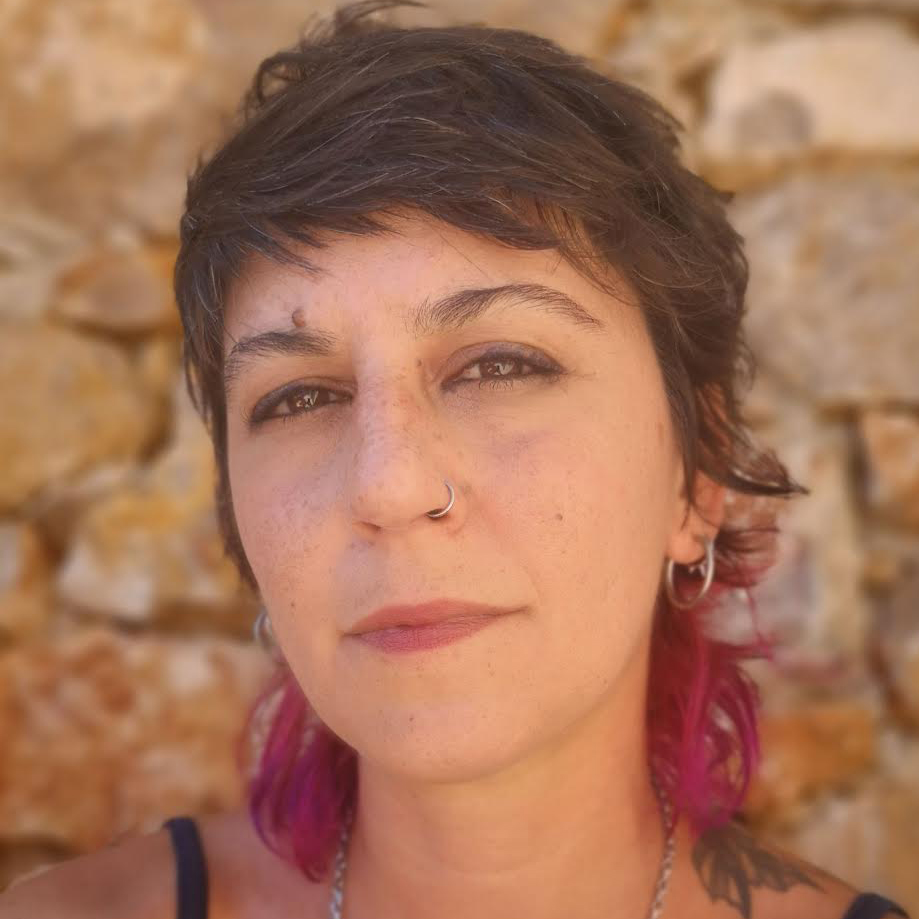
Elli Mastorou (Moderator)
Film Critic and journalist / Elles Font des Films (Belgium)
Show more
Elli Mastorou is a film critic, journalist and programmer, working between Brussels and Athens. Born in Athens and raised in Brussels, she studied Art History and Film Theory at the Free University of Brussels and Paris Nanterre University. Since 2012, she has worked as an independent film critic for print, web, television and radio, collaborating with outlets such as RTBF, Marie Claire Belgique and LN24, covering both film releases and major international festivals.
From 2020 to 2025, she was part of the programming team at the Love International Film Festival in Mons. Since 2021, she has chaired the Belgian Film Press Union, the national section of FIPRESCI, becoming the first woman to lead the organization. She has served as a juror at festivals such as Cannes, BAFICI and Thessaloniki.
A member of Elles Font Des Films, Elli Mastorou combines critical practice with a strong commitment to diversity, representation and a more inclusive film culture.
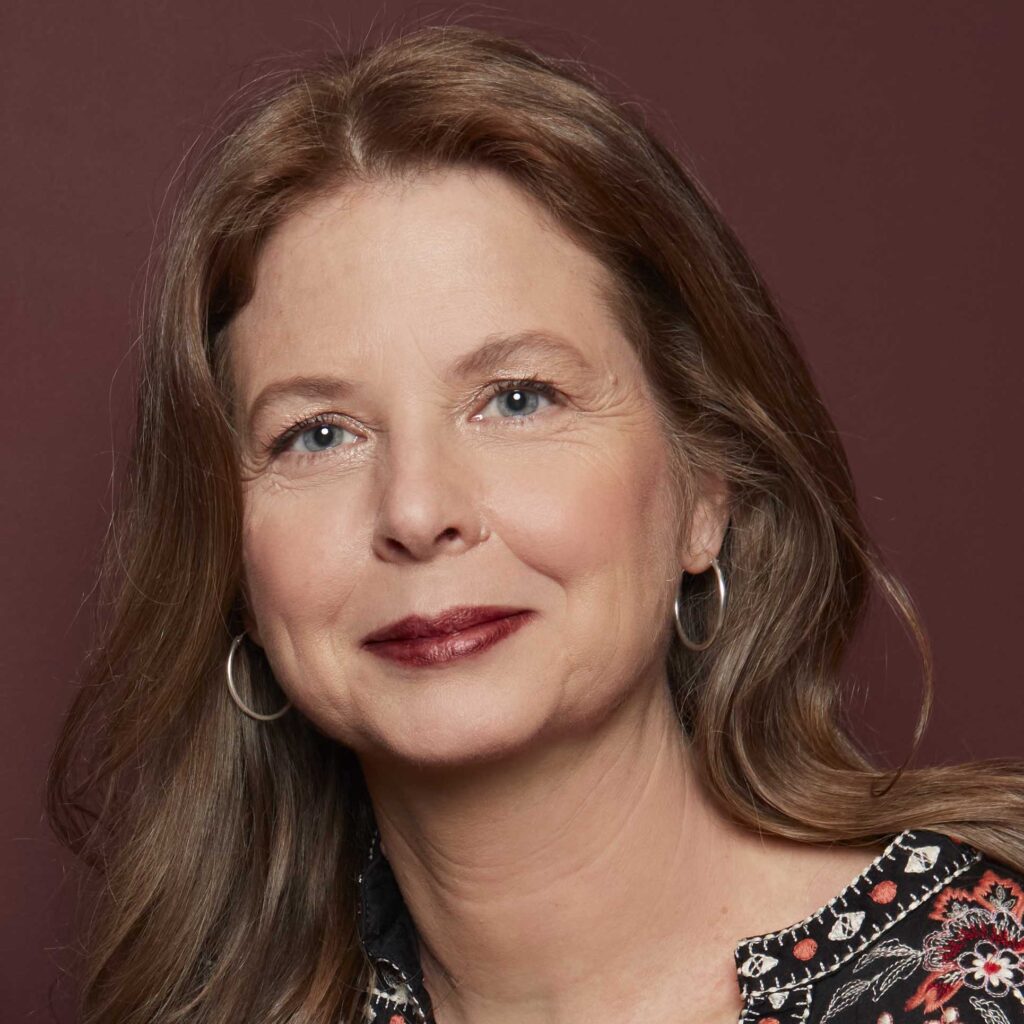
Almudena Carracedo
Documentary Filmmaker. Coordinator of CIMA’s report ‘After the Silence’ on sexual violence in film (Spain)
Show more
Almudena Carracedo is an internationally renowned documentary filmmaker and producer whose work focuses on justice, memory and the fight against abuse of power. Her latest film, No estás sola, produced by Lucernam Films in collaboration with Robert Bahar, became a global hit on Netflix, addressing sexual violence and institutional accountability through the landmark “La Manada” case.
She co-directed and produced The Silence of Others, a seven-year project about crimes from the Franco era, honored with over 40 international awards, including the Goya Award, two Emmy Awards and the Audience Award at the Berlin International Film Festival. Her debut feature, Made in L.A., also won an Emmy and highlighted the struggles of immigrant women workers.
Beyond filmmaking, Carracedo is actively involved in promoting safer practices in the industry. As a board member of CIMA, she has coordinated, edited and overseen the report “After the Silence,” a landmark study on sexual violence and abuse of power in the audiovisual sector, which she also presents and moderates at professional forums.
A Guggenheim Fellow and member of the Academy of Motion Picture Arts and Sciences, she teaches at New York University in Madrid and champions film as a tool for accountability and social change.
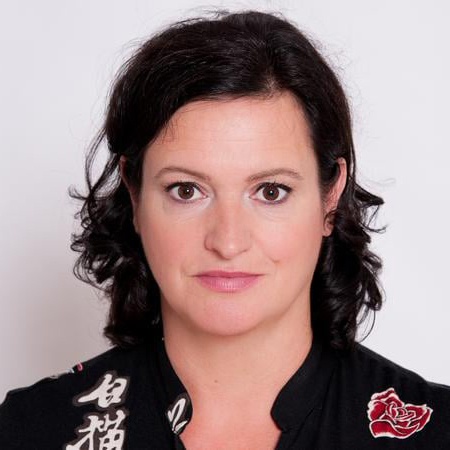
Barbara Rohm
Co-founder of “Themis”, a counseling office addressing sexual harassment and violence in film / Chairwoman, Power to Transform! (Germany)
Show more
Barbara Rohm is chairwoman of Power to Transform, where she actively advocates for gender equality and structural change in the film industry. A filmmaker, cultural strategist and activist, she is also founder of Culture Change Hub, which provides tools and expertise to promote safe, fair and dignified working environments. Her work focuses on cultural change, diversity, gender balance and intimacy representation on screen.
Trained in directing at the University of Television and Film Munich, she has worked as a cinematographer and filmmaker. She is co-founder and former chairwoman of Pro Quote Film, a key initiative advocating for gender parity in German cinema. In response to the #MeToo movement, she co-founded “Themis,” an independent counseling office addressing sexual harassment and violence in the film, television and theater industries.
An international speaker and consultant, she also teaches at institutions such as the Zurich University of the Arts and the Film University Babelsberg.
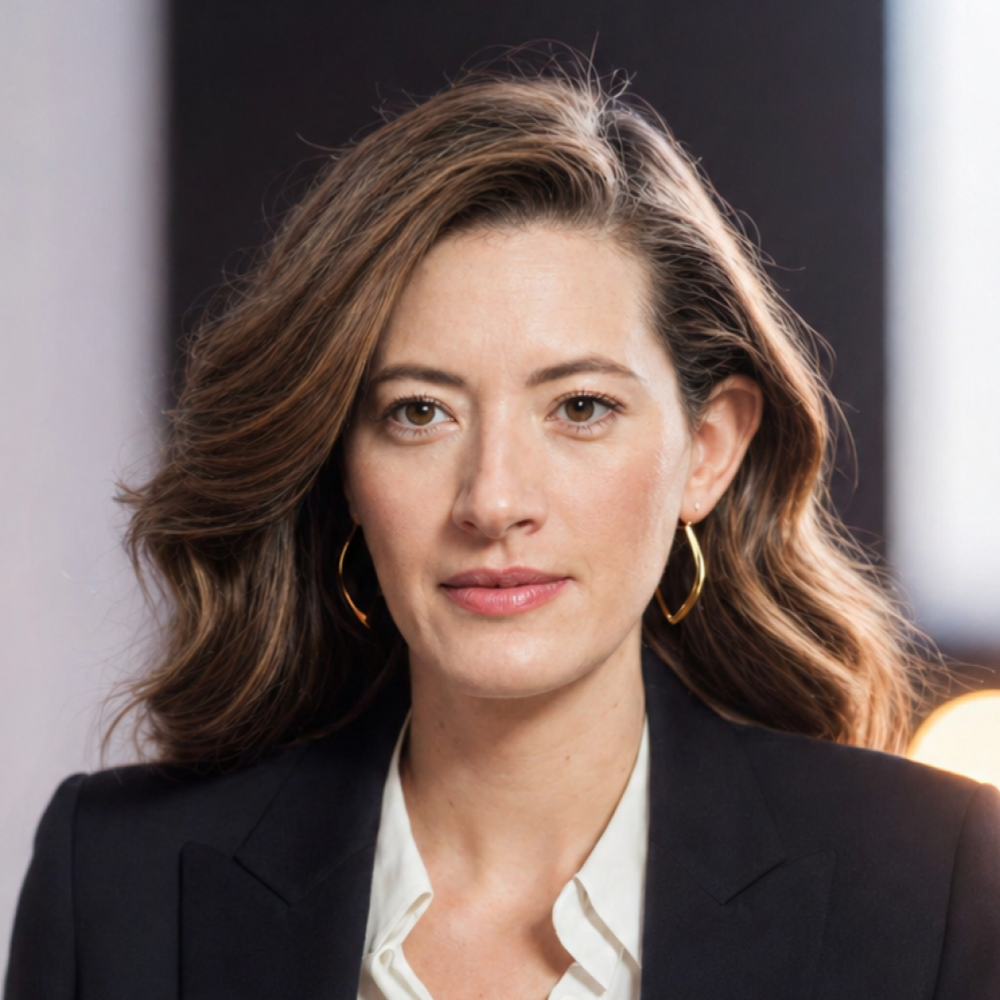
Juliana Delgado
Member of RecSisters / Lawyer and consultant in gender equality, sexual diversity, media and public policy (Colombia)
Show more
Juliana Delgado Restrepo is a Colombian lawyer and consultant in gender equality, sexual diversity, media and public policy. She holds a master’s degree from UCLA focused on law, gender, sexuality and public policy in the media sphere.
She is a representative of RecSisters, a Colombian collective of women working in the audiovisual sector that seeks to improve, dignify and promote equity in workspaces, as well as contribute to building environments free from harassment, violence and discrimination.
RecSisters develops initiatives to prevent and address gender-based violence in the audiovisual industry, including complaint management mechanisms for survivors, workplace protocols on sexual harassment and discrimination, and best practice tools aimed at companies and unions.
——– 10-minute break ———-
6:40 PM – 7:50 PM
Closing masterclass with Cheryl Dunye
Cheryl Dunye is an acclaimed director, screenwriter, producer, and founder of Jingletown Films. She first gained recognition as part of the “Queer New Wave” of young filmmakers in the early 1990s with her debut feature film, ‘The Watermelon Woman’, which won the Teddy Award for Best Film at the Berlin International Film Festival in 1996.
Following the masterclass, there will be a conversation moderated by Femi Otitoju.
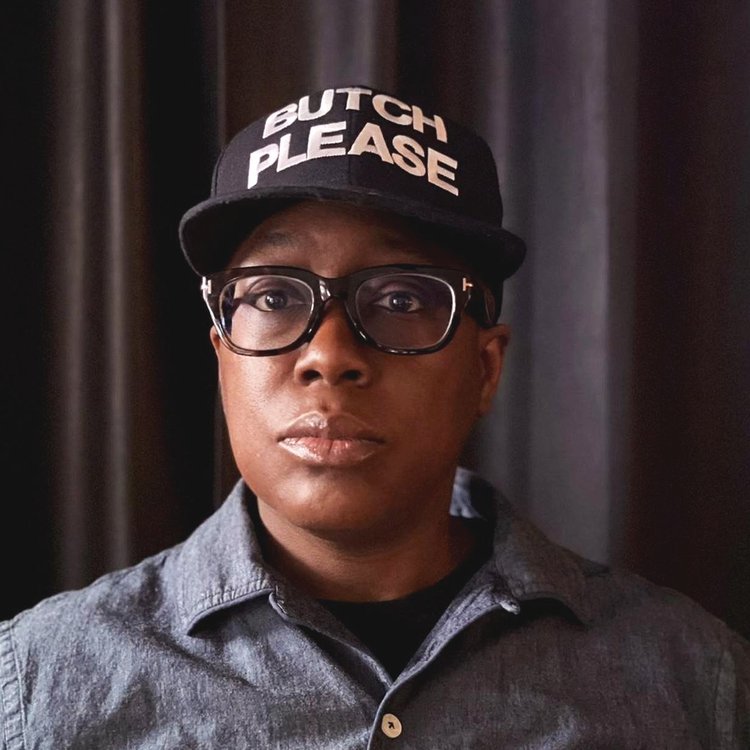
Cheryl Dunye
Filmmaker, director, writer and producer
Show more
Cheryl Dunye is a Liberian-American filmmaker, director, screenwriter and producer based in Oakland, California, whose work explores Black queer identity, history and cultural memory. Her narratives are punctuated by deconstructive elements, such as characters addressing the camera and making ironic references to the production itself. These devices, along with her appearance in her films “as herself,” blur the boundaries between fiction and reality, a cinematic genre she defines as “Dunyementary.”
Dunye emerged as part of the “queer new wave” of young filmmakers in the 1990s. She has made over 15 films, including MOMMY IS COMING, THE OWLS, MY BABY’S DADDY and HBO’s STRANGER INSIDE, for which she received an Independent Spirit Award nomination for Best Director. Her feature film, THE WATERMELON WOMAN (1996), won the Teddy Award for Best Film at the 1996 Berlin International Film Festival and was recently restored by Outfest’s UCLA Legacy Project for its 20th anniversary. In 2015, her multi-award-winning short film, BLACK IS BLUE (2014), was named by IndieWire as one of the five essential feminist films.
Dunye has directed numerous series, including Ava DuVernay’s Queen Sugar, Dear White People, Bridgerton and Lovecraft Country, for which her episode “Strange Case” received a nomination at the 52nd NAACP Image Awards for Outstanding Directing in a Drama Series and was chosen as one of the best episodes of 2020 by The Hollywood Reporter and Entertainment Tonight. Most recently, Dunye directed episodes of YOU and THE HUNTING WIVES for Netflix.
In 2018, she founded her Oakland-based production company, JINGLETOWN FILMS, dedicated to developing projects that center underrepresented voices and stories. The company is currently developing THE GILDA STORIES, an adaptation of Jewelle Gomez’s acclaimed 1991 queer vampire novel, and the feature-length version of her award-winning short film BLACK IS BLUE.
Femi Otitoju (Moderator)
Founder Challenge Training and Consulting (UK)
Show more
Femi Otitoju is a trailblazer, a truth-teller, and one of those rare people who can challenge an entire room while making them laugh with her at the same time. Born in Nigeria and raised in the UK, she came out as a lesbian in the late 1970s and went on to become one of the first openly Black lesbian voices on British television, long before “representation” became a buzzword. Her journey began in activism: she co-founded the UK’s first Black lesbian group, volunteered for over a decade at the London Lesbian and Gay Switchboard, and threw herself into the feminist and LGBTQ+ movements of the 1980s with her characteristic energy and style. In 1988 she founded Challenge Consultancy and has since spent over three decades working at the highest levels of the media and creative industries to drive real change.
Participants
The Network is made up of non-profit organizations that work to build an egalitarian, diverse, and safe film and audiovisual industry for women and gender dissidents, anywhere in the world.



![UK[2]_UK](https://equalityinfilm.org/wp-content/uploads/2026/04/UK2_UK-300x211.jpg)